Why Your Tennis Serve is the Foundation of Dominant Play
Mastering your tennis serve isn’t just about power—it’s the cornerstone of control, strategy, and consistency on the court. In Miami’s competitive tennis scene, players who command a strong serve gain a strategic edge, dictating the pace of rallies and keeping opponents on the defensive. Whether you're refining your technique for weekend matches or prepping for local tournaments, your serve often determines the momentum of the game before the first rally even begins.
A well-executed serve combines precision, timing, and biomechanics to deliver consistent results under pressure. Yet, many players struggle with fundamentals such as foot placement, racquet drop, and follow-through—mistakes that lead to double faults or weak returns. This guide breaks down five proven techniques used by top players to elevate their serve, reduce unforced errors, and increase first-serve accuracy.
From generating effortless power through kinetic sequencing to optimizing toss placement and stance, you’ll learn actionable steps to transform your serve into a reliable weapon. These tips are designed to complement structured tennis lesson plans and can be practiced at any outdoor court or indoor training facility across South Florida. By the end, you’ll have the tools to build a more aggressive and consistent serve—no matter your current skill level.
Perfect Your Serve: Stance, Grip, and Motion Breakdown
Mastering your tennis serve starts with a solid foundation—literally. Follow these key steps to build a consistent, powerful serve that elevates your game.
- Adopt the Correct Stance
Begin with your feet shoulder-width apart, standing sideways to the net. Position your non-dominant foot parallel to the baseline and your back foot at a 45-degree angle. This open stance provides balance and optimizes your pivot during the swing. - Use the Continental Grip
This essential grip, often called the “hammer grip,” allows seamless transitions between serve types. Place the base knuckle of your index finger on the second bevel of the racket handle. It’s ideal for flat, slice, and kick serves. - Execute the Ball Toss
Toss the ball slightly in front of your body and about 12–18 inches above your reach at full extension. Keep the toss consistent—any variation disrupts timing and rhythm. - Engage the Kinetic Chain
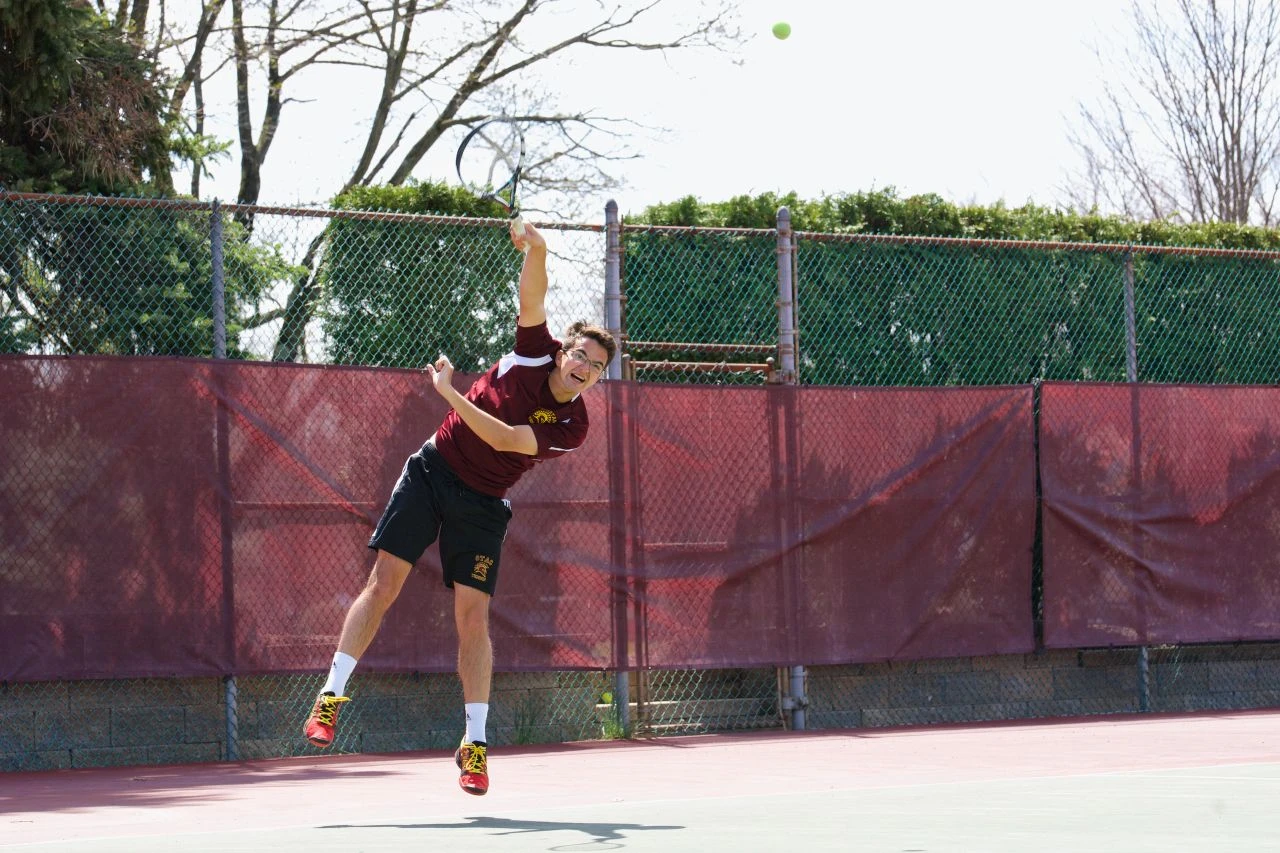
Initiate the serve with a knee bend, then uncoil through your legs, core, shoulders, and arm in sequence. This coordinated motion maximizes power while reducing shoulder strain. - Finish with a Full Follow-Through
Your racket should naturally swing across your body, finishing near your opposite hip. A complete follow-through ensures control and accuracy.
Practice these mechanics daily to develop muscle memory and improve serve consistency on Miami courts and beyond.
5 Costly Serve Mistakes and How to Fix Them Fast
Even promising tennis players can stall their progress by repeating preventable serving errors. Identifying and correcting these common issues is crucial for unlocking consistency, power, and accuracy on the court—especially during competitive play in Miami’s active tennis scene.
- Rushing the Toss
A shaky ball toss leads to erratic contact points. Many players toss too quickly or inconsistently, forcing last-second adjustments. Focus on a smooth, controlled release at the peak of your paddle-up motion. Practice tossing to the same spot repeatedly without swinging to build muscle memory. - Poor Stance and Foot Alignment
Serving from an open or misaligned stance reduces power transfer and directional control. Ensure your back foot remains parallel to the baseline, and your front foot points toward the net post during the wind-up. Proper alignment enables better weight shift and racket-head speed. - Bending the Elbow Too Early
Prematurely bending the serving arm disrupts the kinetic chain. Keep your arm extended through the trophy position until the downward swing begins. This maximizes leverage and generates cleaner topspin or slice depending on your grip. - Inconsistent Contact Point
Hitting the ball too far in front or behind your body affects trajectory and depth. Aim for a contact point just above and in front of your hitting shoulder. Use visual cues, like watching the ball into the racket, to reinforce precise timing. - Neglecting Follow-Through Mechanics
An abrupt or incomplete follow-through can strain your shoulder and limit power. Commit to a full finish across your body, with the racket brushing down toward your opposite knee—especially important when refining your technique between tennis lessons.
Train Your Mind: The Hidden Power Behind a Powerful Serve
Mastering the tennis serve goes beyond technique—it hinges on mental focus and consistency, two pillars often overlooked by recreational players. In high-pressure moments, a calm, focused mindset allows you to execute your serve with precision, even when the match is on the line. Developing mental resilience starts with establishing a pre-serve routine, helping you lock in your intent and block out distractions on the court.
Consistency comes from deliberate repetition—not just in practice, but in thought. Visualize each serve landing in your target zone before stepping into your motion. This mental rehearsal strengthens neural pathways, making clean execution more automatic during real-game scenarios. Players in Miami and across competitive circuits use these techniques daily to maintain a strong first-serve percentage and reduce unforced errors.
To build focus:
- Stick to a consistent 15-20 second routine between points
- Use breath control to reset after a missed serve
- Set small, measurable goals during practice (e.g., 7/10 serves in the wide service box)
By integrating mental discipline with technical training, you’ll develop a serve that’s not only powerful but reliable—no matter the pressure. Whether you're preparing for a local tournament or improving your game at your neighborhood tennis lesson, a sharp mind is your greatest asset on the baseline.
Frequently Asked Questions About Improving Your Tennis Serve
How important is consistency in my serve toss?
A consistent toss is critical to mastering your serve. If the ball is released at varying heights or positions, your timing and contact point suffer. Aim to toss the ball slightly in front of your body and at the same height every time. This repetition builds muscle memory and helps you strike the ball at the optimal contact point.
Should I use spin on my first serve?
Yes—especially for players in Miami’s humid conditions where control matters. A kick serve or slice serve adds spin, making the ball bounce higher or skid sideways, respectively. This improves your chances of winning points outright or forcing weaker returns.
What’s the best way to generate power without losing control?
Focus on a full kinetic chain: start from the ground up by pushing off your back foot, rotate your hips and shoulders, then snap your arm through contact. Avoid arm-only serving, which leads to inconsistent results and higher injury risk.
How often should I practice my serve?
Incorporate dedicated serve sessions 3–4 times per week. Short, focused drills—like target serving or shadow swings—are more effective than long, unfocused repetitions.
What common mistakes prevent serve improvement?
Rushing the motion, poor foot placement, and inadequate follow-through are frequent issues. Use video analysis or work with a coach to spot technical flaws. Many players in South Florida see rapid gains once these mechanics are corrected.
Keep Swinging: Your Serve, Your Power
Mastering your tennis serve isn't achieved overnight—it's built through consistent, mindful repetition. From refining your grip and stance to perfecting the toss and harnessing your kinetic chain, each of the five tips plays a vital role in transforming a weak serve into a powerful weapon. You’ve learned how proper technique reduces injury risk, increases serve consistency, and gives you a measurable edge on the court—especially in competitive matches where every point counts.
Now it’s time to take action. Dedicate 15–20 minutes of every practice session to serve-specific drills. Focus on one element at a time: start with foot positioning, then layer in the swing path, and finally synchronize your toss. Record your serves to track progress and identify subtle flaws. Players across Miami and South Florida find that regular repetition—even solo practice against a wall or net—sharpens muscle memory and boosts confidence.