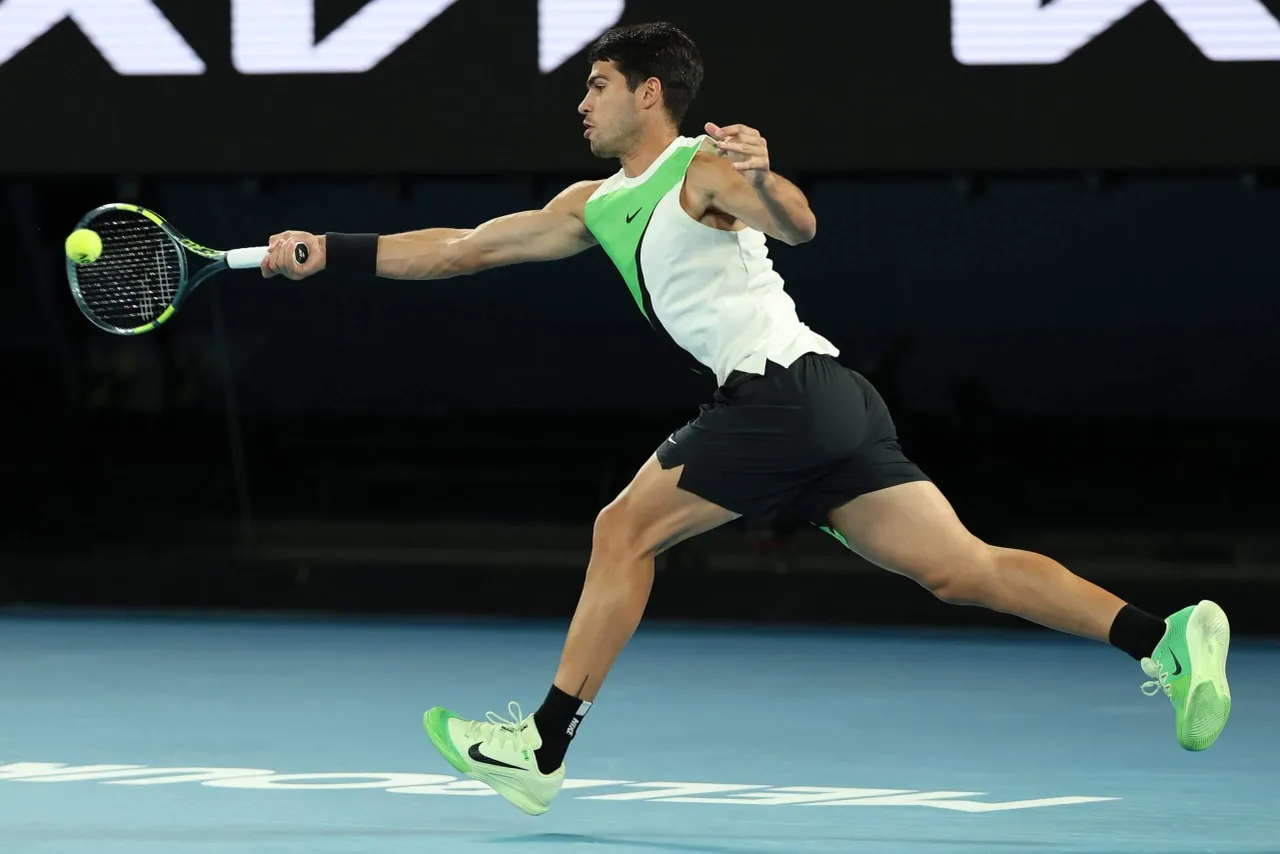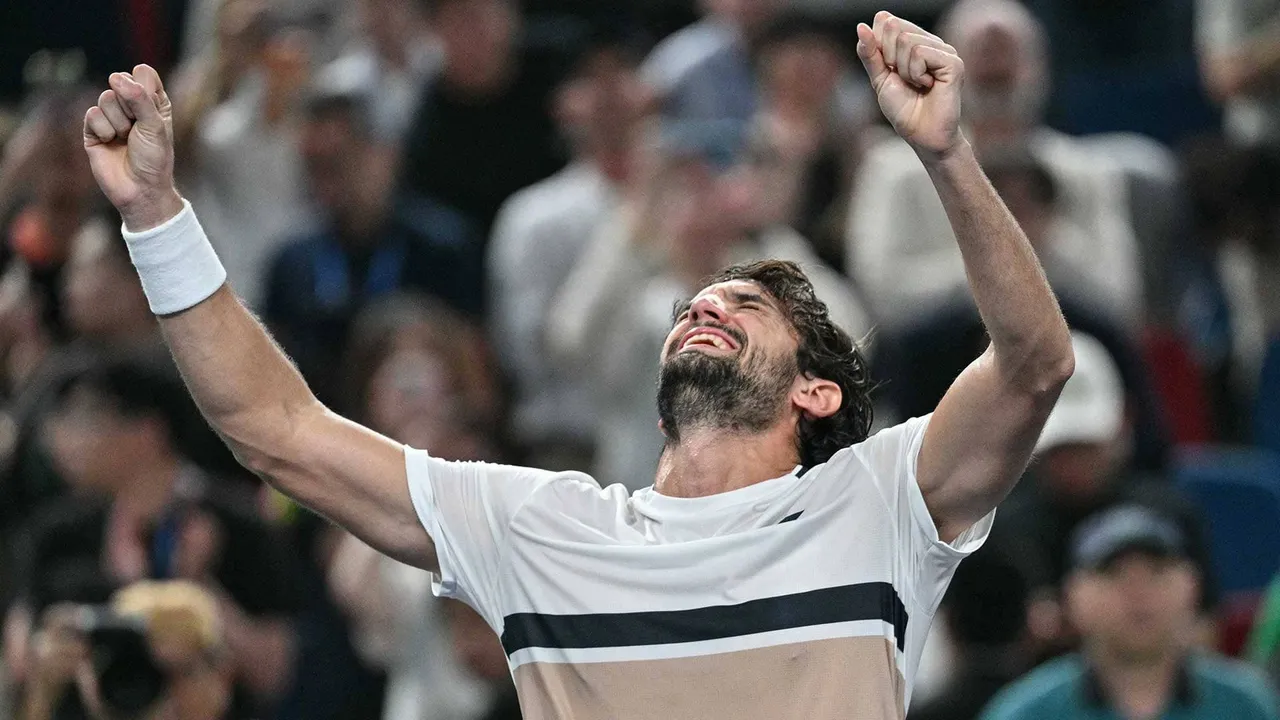
Five finals. Five defeats. Then three titles, including a Masters 1000 trophy in Shanghai. Alejandro Davidovich Fokina’s turnaround is a story every young tennis player should hear.
At AK Tennis Academy, we often remind our players that a disappointing result tells you what happened that day. It does not tell you everything you are capable of becoming. Davidovich Fokina has given us a remarkable example of why that matters.
A difficult season reaches a breaking point
The early months of 2026 were frustrating for the Spaniard. His Adelaide semifinal had been a bright spot, but sustained momentum proved elusive. Then came a painful coaching split during Roland-Garros.
According to contemporary reports, Davidovich Fokina said Mariano Puerta ended their partnership by text and left Paris between his first- and second-round matches. Puerta later disputed the circumstances, saying he had been urged to leave. What is clear is that their working relationship ended in the middle of a Grand Slam.
For a player already searching for consistency, that was another difficult moment to navigate. From the outside, it would have been easy to assume the rest of the season would follow the same pattern.
The danger of defining a player by lost finals
His record in championship matches added to the pressure. Before his breakthrough, he had lost his first five tour-level finals, including Monte-Carlo in 2022. That record became an easy shorthand for his struggles. But reaching five finals also means winning a lot of demanding matches.
Calling someone a “choker” may make for a quick comment online. It does very little to explain pressure, confidence, or the work required to improve. As coaches, we want players to examine a difficult finish honestly: What was the plan? Did the feet stop moving? Did the player start protecting the score instead of playing the point?
Those are things we can work on. A permanent label gives a player nowhere to go.
A new coaching chapter, and a first breakthrough
With José “Pepo” Clavet guiding the next stage, Davidovich Fokina found a more settled environment. According to reporting on their partnership, he credited Clavet with bringing calm and helping him approach life more peacefully.
The results followed: a first ATP singles title in Mallorca in June, then Chengdu in September. The progress was not uninterrupted. A back injury in July kept him away from competition for roughly two months before his successful return in China.
A supportive coach cannot play the big points for you. But clear guidance and a relationship built on trust can help you return to those moments with a plan.
Shanghai: winning when the match looks lost
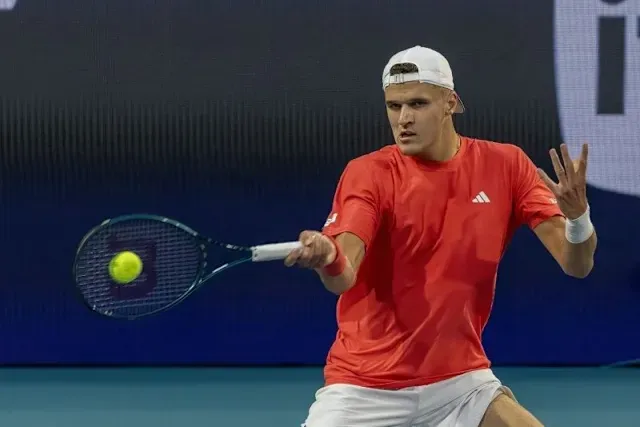
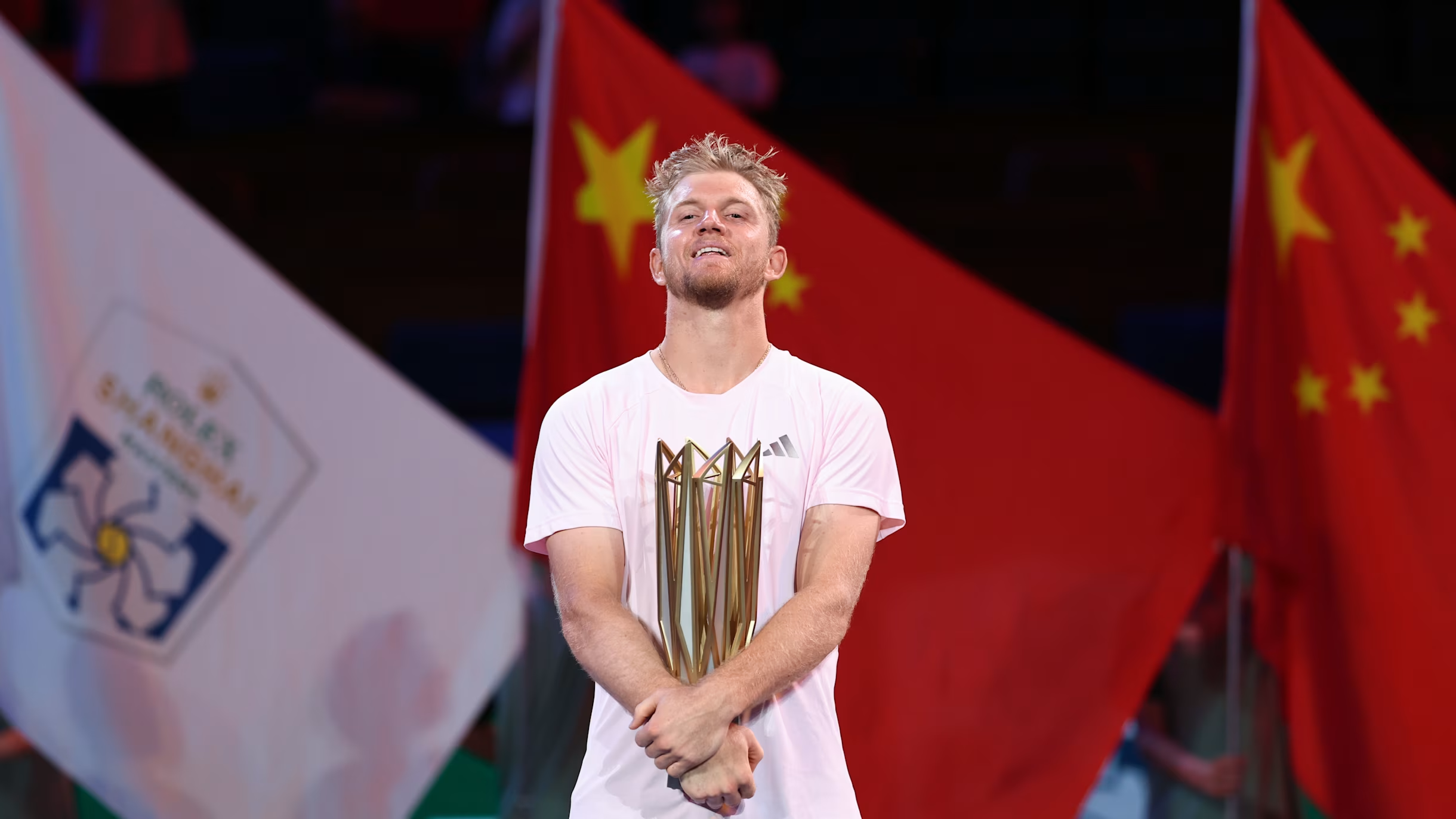
On October 18, he completed the biggest victory of his career. Against Rafael Jódar in the Shanghai final, he recovered from a set and a break down to win 1–6, 7–6(5), 6–4. Earlier in the tournament, he had saved a match point against Frances Tiafoe and come from behind against Hubert Hurkacz and Alexander Zverev.
From losing his first five finals to winning his next three. Mallorca. Chengdu. Shanghai. That is an extraordinary change in results, made even more meaningful by the setbacks along the way.
What our players can take onto the court
You do not have to feel completely confident to compete well. Start with something you can control: your recovery position, a sensible target, your breathing between points, or the commitment to chase one more ball.
After a loss, give yourself time to settle before reviewing it with your coach. Choose one specific thing to practise. Parents can help by asking what their child learned and what they enjoyed, alongside discussing the result.
Davidovich Fokina’s story does not promise that every difficult season ends with a trophy. It gives us a reason to keep working with patience, seek the right support, and leave room for a player to surprise us.
Your next chapter does not have to look like your last one.
— AK Tennis Academy