
At Andreu Ferragut Tennis Academy in Miami, we’re all about building not just great players but great people—athletes who embody skill, discipline, and integrity. That’s why the ongoing fallout from Jannik Sinner’s three-month doping ban has caught our attention. As the tennis world buzzes with debate, this complex case offers lessons for players at every level, from aspiring juniors to pros. Let’s break it down and see what it means for our community.
The Sinner Saga: What Happened?
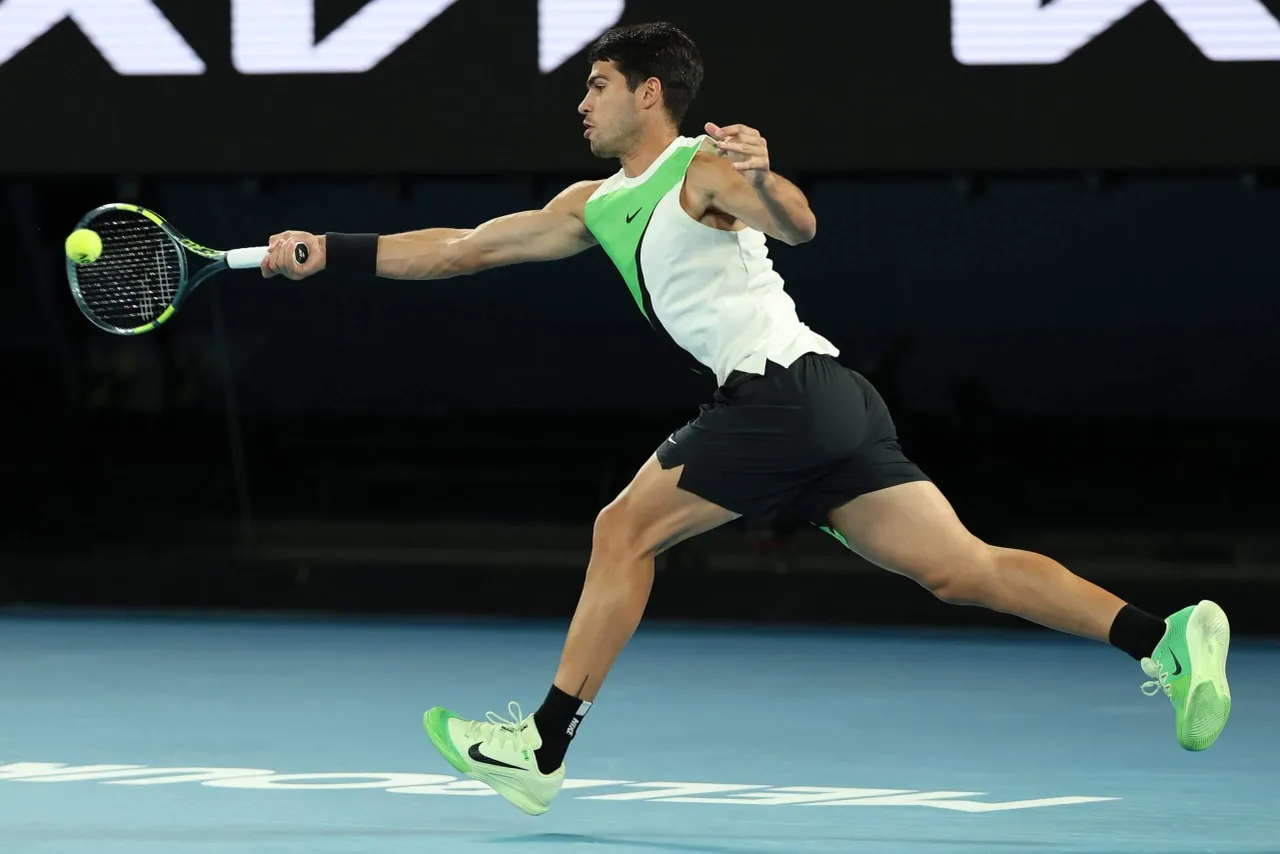
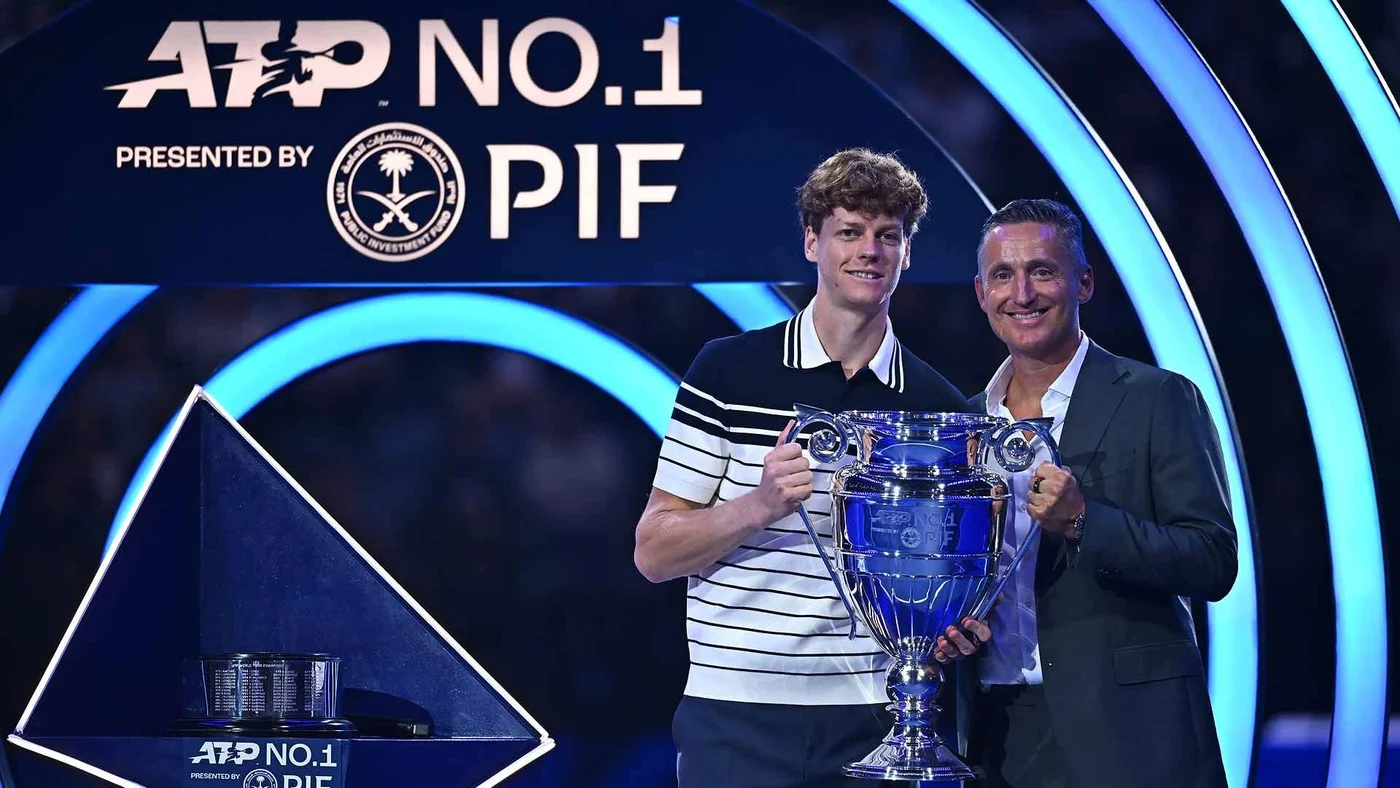
Jannik Sinner, the World No. 1 and a three-time Grand Slam champion, tested positive for the anabolic steroid clostebol in March 2024. Initially, the International Tennis Integrity Agency (ITIA) cleared him, accepting his explanation that the substance came from an accidental contamination during a massage by his physio. No suspension followed, and Sinner kept racking up titles, including the Australian Open and US Open. But the World Anti-Doping Agency (WADA) wasn’t satisfied. They appealed to the Court of Arbitration for Sport, pushing for a two-year ban—until a surprising twist. WADA and Sinner’s team struck a deal: a three-month suspension from February 9 to May 4, 2025, conveniently ending just before the Rome Masters and ensuring he misses no Grand Slams.
A Divided Tennis World
The reaction? Explosive. Tennis legend Novak Djokovic called out potential “favoritism,” hinting that Sinner’s status as a top player might have softened the punishment. Others, like Andy Murray’s former coach Dani Vallverdu, argue it’s time to support Sinner, pointing to the ITIA and WADA’s agreement that this wasn’t intentional doping. WADA’s Ross Wenzel doubled down, telling BBC Sport, “This was a case that was a million miles away from doping,” emphasizing that science ruled out any performance boost. Yet, the timing of the ban—letting Sinner return for big events—has left many fans and players skeptical, questioning if the system bends for the elite.
What It Means for Our Academy
At Andreu Ferragut Tennis Academy, we see this as a teaching moment. Tennis isn’t just about forehands and serves—it’s about accountability and resilience. Here’s what we’re taking away:
- Trust Your Team, But Verify: Sinner’s case stemmed from a staff mistake. Our PTR-certified coaches stress the importance of knowing what goes into your training—whether it’s nutrition, recovery, or even a massage. We teach our players to ask questions and stay informed, ensuring they’re always in control of their journey.
- Integrity Matters: Both ITIA and WADA found no intent to cheat, but the fallout shows how even unintentional slips can cast a shadow. We instill a culture of honesty and responsibility in our athletes, preparing them for a sport that demands both.
- Bounce Back Strong: Sinner’s ban ends May 4, and he’ll be back swinging in Rome. That’s resilience—something we nurture here with personalized training plans designed to help players overcome setbacks and hit the court stronger than ever.
A Call for Clarity
Vallverdu’s right—tennis should rally around its players when the facts are clear. But the skepticism from Djokovic and others highlights a need for better anti-doping processes. At our academy, we believe in fair play and transparency, and we hope this case pushes the sport to refine its rules so every player, from Miami juniors to world champs, gets a level court.
Join Us in Shaping Tennis’s Future
Whether you’re a beginner or chasing a pro career, Andreu Ferragut Tennis Academy is here to guide you with expert coaching and a commitment to excellence. Call us at 845-480-1480 to book a lesson and join a community that values skill, heart, and integrity—just what tennis needs right now.